October 2, 2026
Selecting the ideal wood surface for a residential or commercial property represents a major design decision that impacts aesthetic appeal, daily comfort, and structural durability. Natural timber remains a timeless interior material, celebrated for its unique grain patterns, organic warmth, and classic elegance. However, property owners evaluating surface upgrades frequently encounter a central debate when choosing between traditional solid planks and modern engineered alternatives. Both options present distinct physical characteristics, manufacturing methods, and performance attributes that suit different interior environments. Navigating these technical differences requires careful consideration of subfloor conditions, atmospheric humidity variations, and long-term maintenance preferences. Enlisting a qualified flooring service ensures that property owners receive expert guidance tailored to their specific architectural layout and lifestyle requirements. Professional technicians evaluate environmental factors, structural foundation types, and room usage patterns to recommend surface solutions that deliver lasting beauty and functional resilience. Understanding the structural differences between solid timber and engineered planks empowers building owners to make informed choices that align with their design vision. Exploring how each material performs under real-world conditions clarifies which option provides the best fit for various living spaces. Proper planning guarantees long-lasting satisfaction across every room in the building.
Analyzing Structural Composition and Material Properties
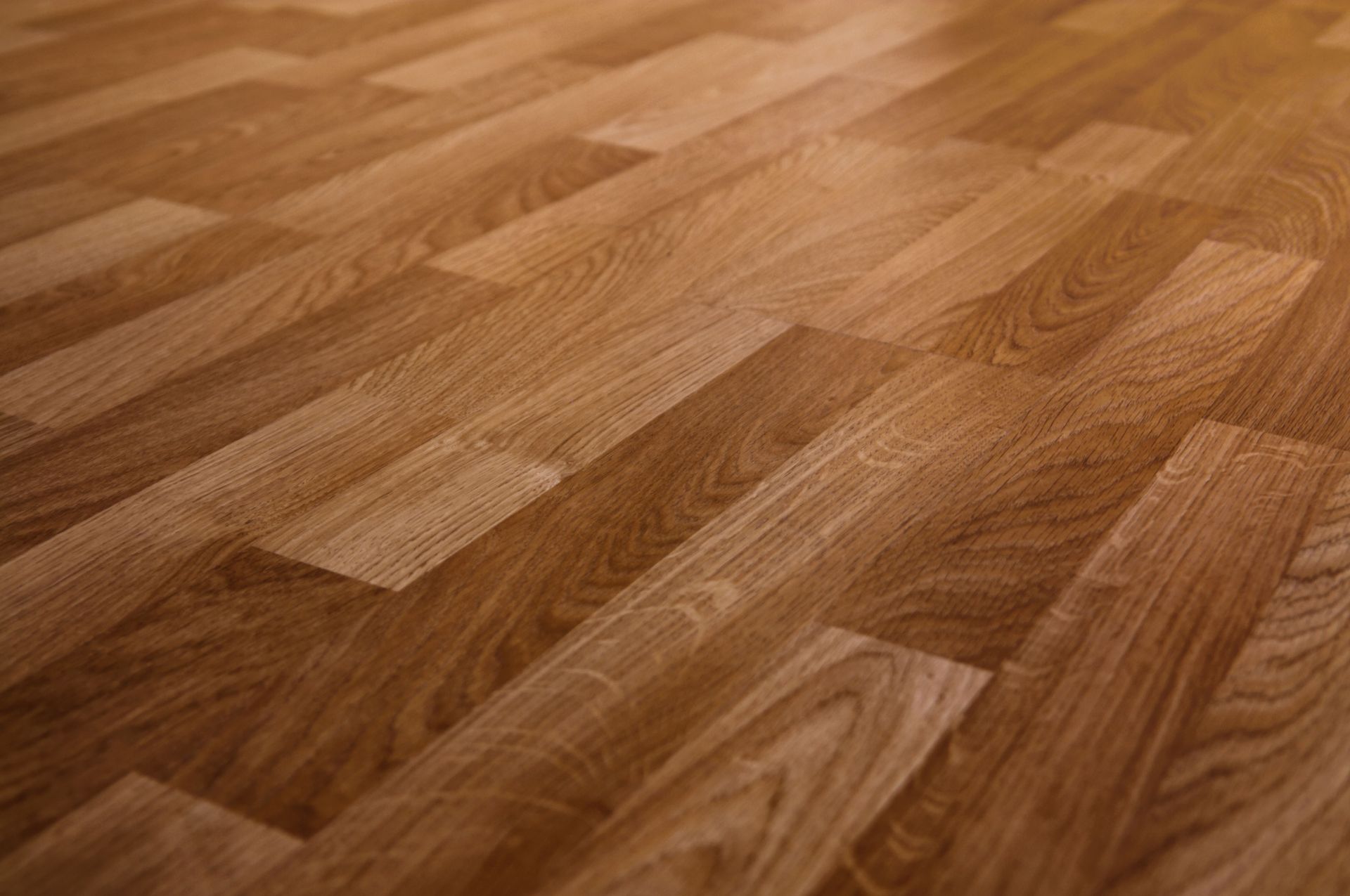
Understanding the fundamental physical construction of wood planks reveals why solid timber and engineered boards perform differently under daily usage. Solid hardwood planks are milled directly from single, continuous pieces of natural timber, preserving the organic grain continuity throughout the entire thickness of the board. This uniform composition provides dense structural integrity, natural warmth underfoot, and authentic character derived entirely from the harvested tree species. In contrast, engineered wood planks feature a multi-layer composite structure designed to enhance physical stability. The upper surface consists of a genuine hardwood veneer, while the supporting core layers are composed of cross-laminated plywood or high-density fiberboard bonded together under extreme pressure. This cross-ply arrangement balances internal forces, preventing individual boards from warping or shifting when exposed to natural forces. Engaging a professional flooring service allows property owners to examine physical samples and compare structural profiles before making a final selection. Analyzing board composition helps homeowners appreciate how traditional craftsmanship and modern material engineering address distinct structural needs across residential interiors. Each construction method provides unique physical advantages depending on room placement, architectural layout, and ongoing usage demands.
Evaluating Environmental Moisture Resistance and Climate Stability
Indoor environmental conditions fluctuate continuously throughout changing seasons, exerting atmospheric stress on natural building materials. Solid timber planks absorb and release atmospheric humidity readily, expanding during damp summer months and contracting during dry winter periods. This natural expansion and contraction can cause solid wood boards to develop gaps, cupping, or crowning when exposed to significant humidity changes or subterranean moisture. Engineered planks, however, are specifically engineered to minimize dimensional movement when environmental conditions shift. According to Grandview Research, engineered wood held a dominant position across the domestic wood flooring sector, securing a revenue share of 50.5% in 2024. The cross-laminated core structure resists seasonal expansion and shrinking, making engineered boards highly stable in moisture-prone areas where solid timber might struggle. Consulting an experienced flooring service helps property owners assess relative humidity levels and moisture risks across ground levels, upper floors, and below-grade spaces. Selecting climate-resilient materials prevents unsightly gapping and preserves seamless surface uniformity across every room in the building. Dimensional stability ensures that floors remain flat, smooth, and physically resilient throughout seasonal climate shifts.
Examining Refinishing Capabilities and Surface Longevity
Long-term surface durability depends heavily on a material's ability to undergo sanding, refinishing, and surface restoration over time. Solid timber planks feature a thick wear layer above the tongue-and-groove joint, allowing them to be sanded and refinished multiple times throughout their operational lifespan. Deep scratches, surface dents, and color finish changes can be fully addressed through comprehensive sanding, making solid timber an enduring surface capable of lasting through generations. Engineered planks also feature a real hardwood top veneer that can be sanded, though the number of possible refinishing treatments depends directly on veneer thickness. Thicker top veneers allow for multiple sanding procedures, whereas thinner surface layers suit light screen sanding and recoating rather than full depth restoration. Scheduling a comprehensive assessment with a knowledgeable flooring service clarifies the long-term maintenance potential of various plank profiles. Evaluating lifetime sanding capacity ensures that property owners select a surface that can adapt to changing decor styles and endure continuous foot traffic over decades of active use. Preserving original surface quality minimizes long-term wear and keeps interior spaces looking pristine.
Assessing Installation Versatility Across Subfloor Types
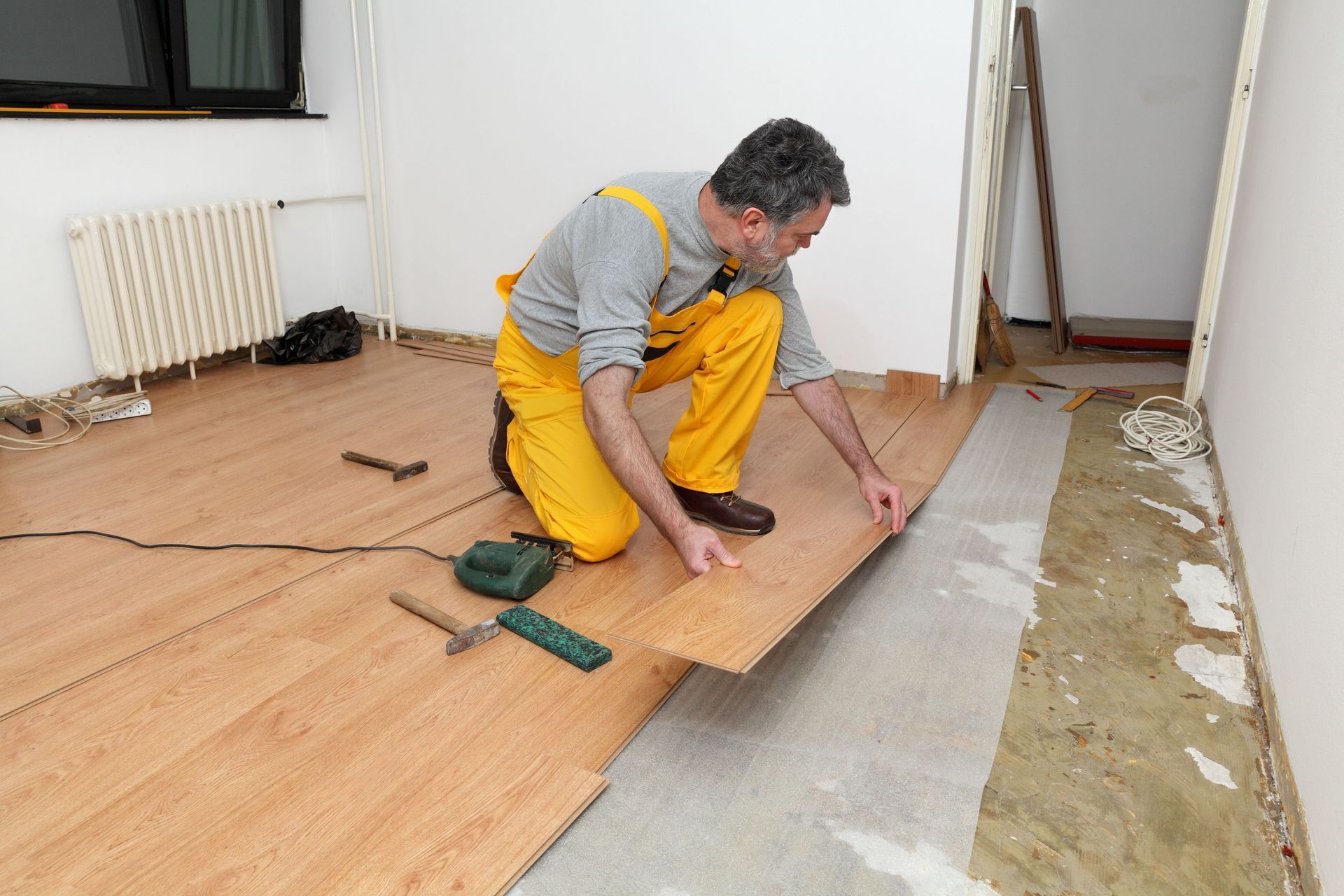
The physical foundation beneath a room dictates which wood surface materials can be safely installed without risking structural failure. Solid hardwood planks generally require a plywood or OSB subfloor, as they must be mechanically fastened using heavy cleats or staples to maintain tight board joints. This requirement makes solid wood unsuitable for direct placement over concrete slabs without constructing specialized wooden subfloor assemblies. Engineered wood planks offer far greater installation flexibility, as their dimensional stability permits multiple attachment methods, including full-surface adhesive bonding, mechanical fastening, or floating installation over acoustic underlayments. This versatility allows engineered planks to be installed directly over concrete foundations, radiant heating systems, and subterranean rooms where solid timber cannot be placed safely. Partnering with a skilled flooring service guarantees that subfloor preparation, moisture testing, and leveling procedures are performed flawlessly prior to plank placement. Professional installation techniques ensure that chosen materials bond securely to the underlying foundation, preventing vertical movement, board squeaks, and premature wear along board edges. Proper foundation preparation delivers whisper-quiet performance underfoot.
Comparing Daily Maintenance and Long-Term Care Needs
Maintaining the pristine appearance of natural wood surfaces involves routine housekeeping habits tailored to specific finish types and material compositions. Both solid hardwood and engineered planks benefit from regular sweeping with soft-bristle brooms, gentle vacuuming without rotating beater bars, and prompt cleanup of liquid spills. Avoiding harsh chemical cleaners, abrasive scrubbing pads, and excess standing water preserves protective polyurethane topcoats and prevents moisture from seeping between board seams. Solid wood surfaces require strict indoor humidity control to prevent seasonal gapping, often necessitating dedicated humidification equipment during dry winter months. Engineered boards offer greater tolerance against minor moisture exposure, though proper surface protection remains vital for preserving top veneer coatings. Relying on an established flooring service provides property owners with detailed care guidelines and professional maintenance recommendations tailored to their specific surface finishes. Establishing consistent maintenance routines protects surface luster, prevents premature wear along high-traffic pathways, and maintains pristine indoor aesthetics throughout every room. Proper protective measures keep wood surfaces looking beautiful across years of daily family life.
Choosing between solid hardwood and engineered planks requires balancing structural characteristics, environmental conditions, refinishing expectations, and subfloor requirements. Solid timber provides classic organic density and unlimited refinishing longevity, while engineered wood offers superior climate stability, moisture resistance, and installation versatility across concrete foundations. Consulting a dedicated flooring service ensures that every project aspect is thoroughly evaluated, resulting in a flawless surface installation that elevates interior spaces. Investing in quality materials and expert craftsmanship preserves floor beauty, supports daily indoor comfort, and maintains structural excellence across every room. If you are ready for a beautiful interior transformation, contact us at Sunshine Interior Services today. We will help you select and install the ideal wood surface for your property.